Date and Liturgical Context
In 2025, All Souls Day occurs on Sunday, November 2, immediately following All Saints Day on November 1. Together with All Saints Day and All Saints’ Eve (Halloween on October 31), these three days form the Allhallowtide triduum, a period for honoring saints, martyrs, and departed loved ones.
Significance
All Souls Day is rooted in the Catholic belief in the “communion of saints” and the practice of intercessory prayer for souls in purgatory. The purpose is to offer prayers, Masses, and good works to assist the departed in reaching eternal rest in heaven. While All Saints Day honors canonized saints, All Souls Day focuses on ordinary faithful who have passed away. The tradition was formally established by Saint Odilo of Cluny in 998 AD.
Observances and Traditions
- Church Services and Masses: Special Masses are held throughout the day for the deceased. The liturgy on All Souls Day is more reflective, without the Gloria or Creed, emphasizing remembrance and prayer for departed loved ones. Parishioners may also participate in the Office of the Dead if the Liturgy of the Hours is prayed publicly.
- Cemetery Visits: Families often visit gravesites, offering prayers, candles, and flowers. These visits strengthen connections with ancestors and provide a time for reflection and storytelling.
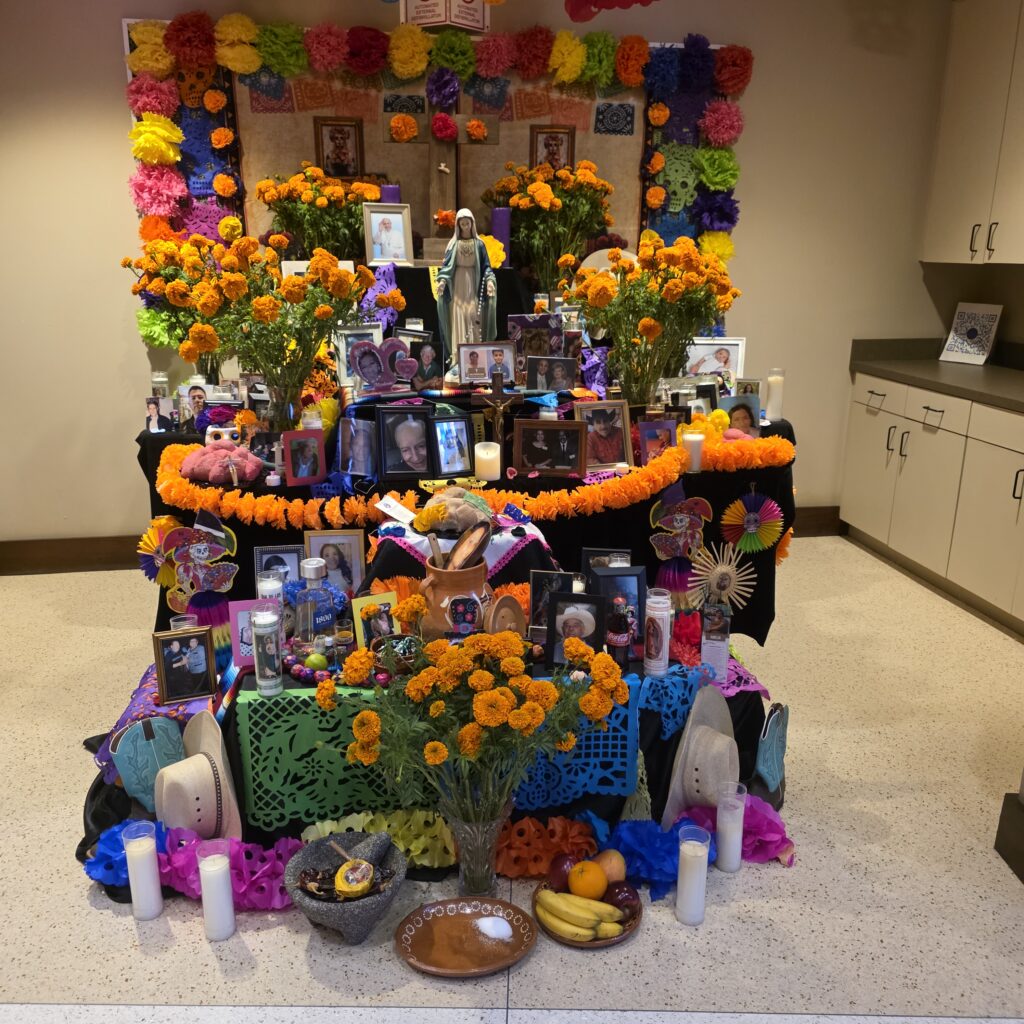
- Cultural Practices: Traditions vary worldwide. In Mexico and parts of Latin America, it coincides with Día de los Muertos, featuring altars (ofrendas), candles, and favorite foods of the deceased. In the Philippines, families engage in extended cemetery visits, cleaning graves and sharing meals. European countries like Poland and Italy may light candles at cemeteries and share special foods or small offerings for memory and honor.
Personal and Family Observances
Even if you are living abroad or distant from family graves, All Souls Day can be observed by setting up home altars, lighting candles, sharing photographs, offering prayers, or participating in local parish services. Technology also enables virtual family gatherings to honor deceased relatives simultaneously. The key is a sincere intention to remember and pray for departed loved ones, strengthening both spiritual and emotional connections.
Conclusion
All Souls Day 2025 offers a sacred opportunity for Catholics and other observers to pause, reflect, and honor those who have passed away. By participating in Masses, visiting graves, practicing cultural traditions, or conducting personal prayers and remembrance activities, people maintain a connection to their loved ones and continue the practice of compassionate intercession and remembrance.
References:
- Foley, L. (2019). Saints, Seasons & Feasts: Catholic Liturgy and Calendar. Liturgical Press.
- Farmer, D. H. (2011). The Oxford Dictionary of Saints (5th ed.). Oxford University Press.
- Catholic Church. (2000). Catechism of the Catholic Church. Vatican: Libreria Editrice Vaticana.
- Vatican News. (2020). “All Souls Day.” Vatican News. https://www.vaticannews.va/en
- Odilo of Cluny. (1998). Historical accounts in Monastic Practices in Medieval Europe. Cluny Abbey Studies.
- Aldaz, M., & Torres, J. (2015). Día de los Muertos: Traditions and Culture in Mexico. University Press.
- Reyes, F. (2018). Philippine Catholic Traditions: Celebrating Life and Death. Manila: Ateneo de Manila University Press.